

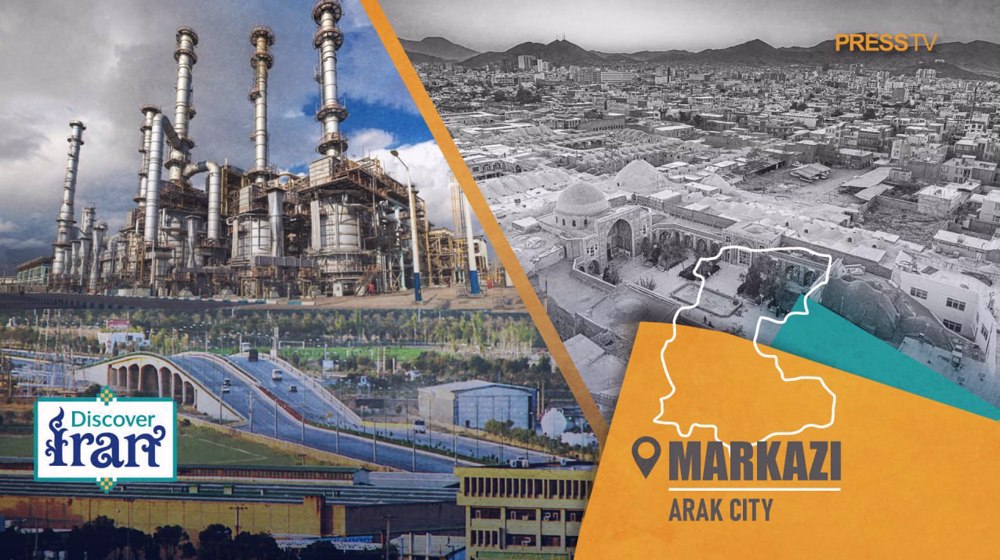
The Markazi Province in central Iran is a region with significant industrial, agricultural, mining, renewable energy, and tourism potential. Its capital, Arak, serves as a major manufacturing center, while the province’s more than 2,800 industrial enterprises, established transport infrastructure, mineral resources, and agricultural production create opportunities for domestic and foreign investment.
The province features prospects in machinery manufacturing, mineral processing, food production, ornamental plants, and solar energy, alongside a rich cultural heritage and connections to influential historical figures, including Amir Kabir and Ayatollah Ruhollah Khomeini.
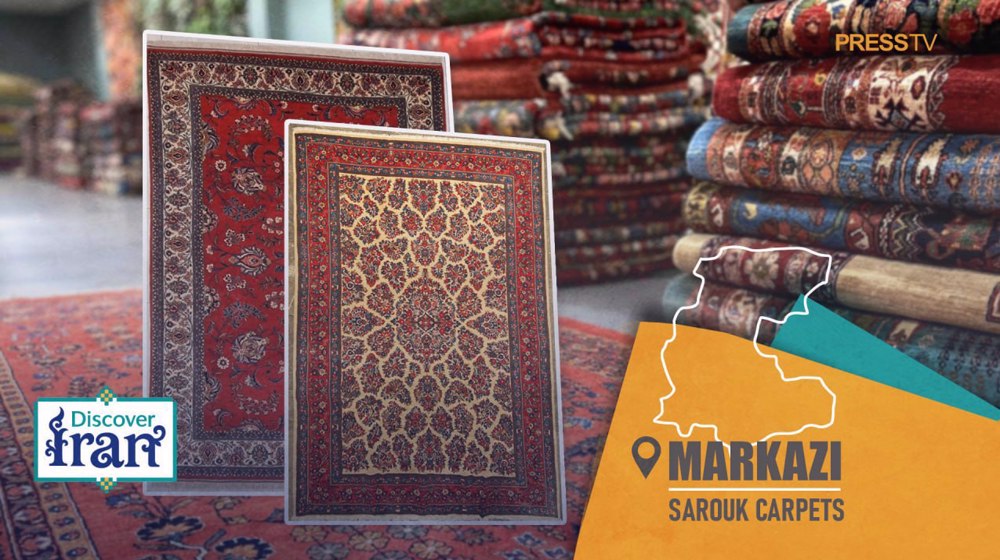
Its traditional industries, including Saruk carpet weaving and other handicrafts, offer potential for business development, employment, and cultural preservation.
The province also boasts diverse tourism attractions, from the Nakhcheer Cave and Miqan Wetland to Mahallat’s mineral springs, Arak’s historic bazaar, and numerous archaeological and religious sites.
With approximately 2,100 identified historical and cultural sites, strategic transport links, and investment opportunities across all 12 counties, the Markazi province is well positioned to expand its economy and develop its tourism sector.
Its strategic commercial location and substantial non-oil exports place the province as an important contributor to Iran’s industrial and economic development.

This article is based on an episode of the Press TV show, Iran Today, featuring Mr. Hossein Mahmoudi, Director General of Cultural Heritage, Tourism, and Handicrafts of the Markazi Province; Mr. Ali Mashhadi, Cultural Heritage, Tourism and Handicrafts Specialist of Khomein County Office; Mr. Saeed Molla Esmaeili, Acting Director General of Economic Affairs and Finance of Markazi Province; Mehdi Zandieh Vakili, Markazi Governor.
What makes a region attractive to investors? Industrial infrastructure, access to markets, natural resources, and a skilled workforce are all essential, but what if the same region also offers a rich history, traditional crafts, and untapped tourism potential?
In central Iran, the Markazi Province brings these elements together. Its capital, Arak, is one of the country's major industrial centers, while cities such as Saveh, Mahalat, and Khomein offer agricultural, commercial, historical, and cultural attractions.
More than an industrial powerhouse, it is the birthplace of influential historical figures and home to remarkable natural and cultural attractions.
According to Mr. Hossein Mahmoudi, Director General of Cultural Heritage, Tourism, and Handicrafts of the Markazi Province, Shazand County is known for its remarkable springs and has great potential for nature-based tourism, with Ashtian and Tafresh home to many of the Markazi Province's most prominent figures.
Mr Mahmoudi explains that Markazi leads the country in the number of notable figures, with around 1,100 renowned personalities originating from the province, while Farahan is known for its historical castles and mounds; Tafresh has a remarkable historic underground structure. Saveh is an industrial city with untapped natural tourism potential, while Zarandiyah also has strong tourism potential.
The province has contributed to Iran's political, intellectual, and cultural development for generations.
Among its notable figures was Amir Kabir, the 19th-century Prime Minister, who introduced administrative reforms and established Dar ul-Fonun, one of Iran's pioneering modern educational institutions.
Another major historical figure connected to the province is Mohammad Mossadegh, whose government's nationalization of Iran's oil industry became a turning point in the country's modern history.
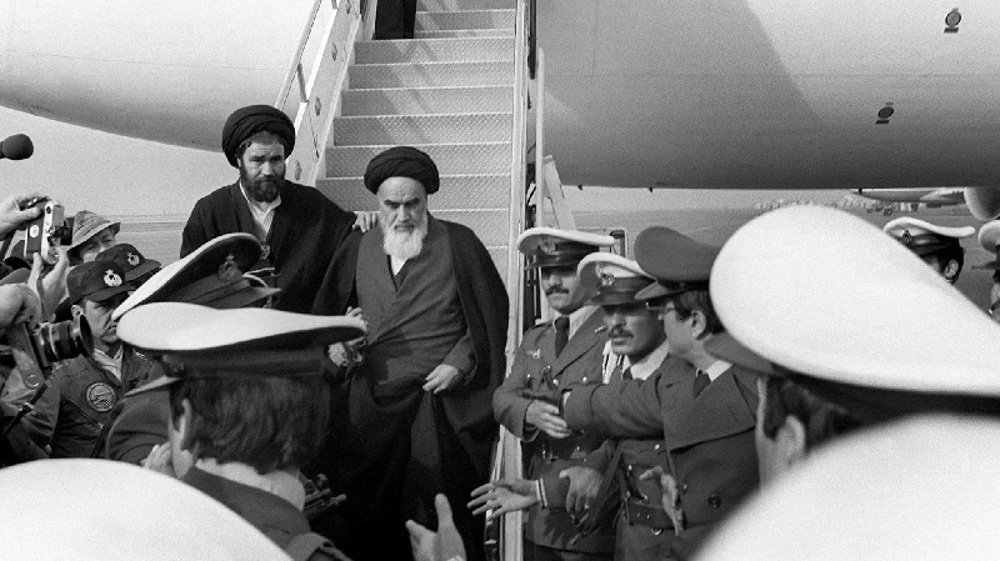
Yet perhaps the most internationally recognized name associated with Markazi is Grand Ayatollah Seyed Ruhollah Khomeini, the founder of the Islamic Republic of Iran, who was born in the city of Khomein in 1900.
His leadership of the 1979 Islamic Revolution transformed Iran's political system and made him one of the most influential figures in modern West Asian history.
His name is recognized around the world, but few know that it is associated with his birthplace, the city of Khomein, located in Markazi province.
Preserved as a historic site, the house where he was born offers visitors a glimpse into the early life of a figure whose legacy continues to shape Iran and the wider region.
Mr. Ali Mashhadi, Cultural Heritage, Tourism and Handicrafts Specialist of Khomein County Office, expounds that the Markazi province has many tourist attractions; over 2,000 sites have been registered on Iran's national heritage list. Some have also been recognized internationally, one of which is the birthplace of the founder of the Islamic Revolution, Imam Khomeini, which has significant potential for religious tourism.
Currently, the economic identity of the province is closely linked to manufacturing. Arak began developing as an industrial center in the 1960s, and its industrial base now spans heavy machinery, metal production, petrochemicals, oil and gas equipment, and railway manufacturing.
Mr. Saeed Molla Esmaeili, Acting Director General of Economic Affairs and Finance for the province, contends that one of the province's main advantages is its strategic location.
Possessing a diverse industrial base, strong logistical advantages, and well-developed transport and energy infrastructure, its 12 counties, with their temperate climate and excellent infrastructure, offer attractive opportunities for domestic and foreign investors.
With more than 2,800 industrial enterprises, it is Iran's second-largest industrial province. During the Iranian year ending in March 2025, 377 industrial enterprises were established, with employment generated for approximately 15,700 people.
These figures point to an established industrial ecosystem as well as continuing investment activity.
Mr Molla Esmaeili explained that, currently, 76 foreign investors are active in the province. The Foreign Investment Board has approved investment projects worth more than $863.6 million, with $395 million received; nearly 50% of the approved investment has been realized.
In the first half of the year, the Foreign Investment Board approved seven new foreign investment projects worth $44 million. So far, around $1.5 million has been transferred or realized through other permitted investment arrangements and officially registered.
Major manufacturers include Machine Sazi Arak, AzarAb, and HEPCO, which are associated with machinery, engineering, and heavy equipment.
The Imam Khomeini Shazand Oil Refinery and Shazand Petrochemical Complex are important parts of the region's energy and petrochemical industries. Iranian Aluminium Company (IRALCO) contributes to aluminum production, while Wagon Pars manufactures railway vehicles and related equipment.
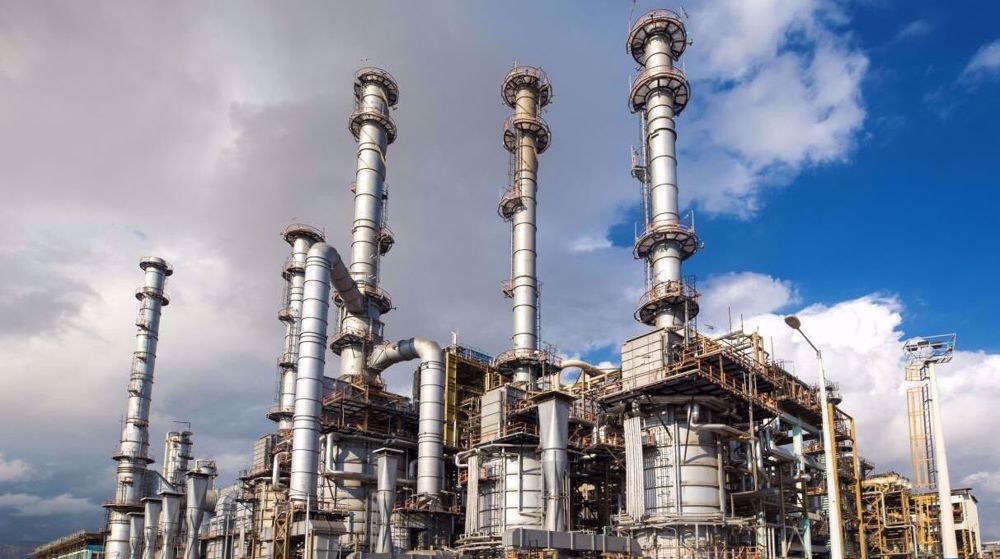
Mr Mehdi Zandieh Vakili, Governor of the Markazi province, asserts that the province is home to some of Iran's largest oil and gas refineries, with the Shazand Oil Refinery standing out from other refineries in the country in both the variety and the volume of its products, as well as a petrochemical industry that produces a wide range of products. Markazi ranks among the country's top 10 provinces in the production of strategic agricultural products.
For investors, this concentration of industrial expertise creates opportunities beyond operating individual factories.
Suppliers can serve established manufacturers, Engineering firms can contribute to industrial projects, and companies can explore opportunities in equipment maintenance, specialized components, modernization, and production technology.
The CEO of ICM, Mr. Ali Asghar Hamidi Fard, explained the company's strategic importance and its pivotal role in Iran's agricultural machinery industry.
The Iran Combine Manufacturing Company (ICM), located in Arak, produces agricultural machinery for harvesting crops. Its main product is the combine harvester, which is used to harvest wheat across the country. The company is among those targeted by sanctions.
Despite the sanctions and restrictions imposed on it, its products are entirely Iranian-made, with no dependence on foreign suppliers.
Without this combined manufacturing company, we would have had to find another way to harvest wheat.
These machines play a key role in wheat harvesting and help farmers use their land more efficiently.
Without them, all this work would have to be done by hand, and we would have to rely on imports from other countries.
That dependence has now been eliminated. Every combine harvester produced at ICM creates four jobs once it leaves the factory.
If we make a serious effort to expand this industry, producing 500 combine harvesters by the end of the year would create 2,000 jobs across the country.
The province's industrial experience also provides a foundation for developing higher-value products.
Rather than exporting only raw materials, local businesses can add value through processing, engineering, and manufacturing. The economic potential of the region extends well beyond its factories.
The province has deposits of travertine, marble, limestone, silica, gypsum, and several metallic minerals. Mahallat and Nimvar are particularly known for building stone, which supplies construction and architectural markets.

Mr Zandieh Vakili adds that Mining is another major advantage of the province. With 52 types of mineral resources, it ranks among Iran's top five mining provinces. It has numerous mines, including the world's largest travertine mine.
It is not limited to mining; Stone Cutting, polishing, advanced processing, machinery, and finished architectural products can create additional value and skilled employment. Investment in modern equipment and export-oriented production could help local businesses move further up the supply chain.
Agriculture offers another source of income. The province produces a variety of crops including wheat, barley, grapes, walnuts, pistachios, and pomegranates. Saveh is especially famous for its pomegranates, which have become an important symbol of the area's agricultural identity.
Investment opportunities include food processing, packaging, storage and distribution, as well as water-efficient farming technologies. (14:40)
Mahallat provides a particularly striking example of how agriculture can develop into a specialized industry. The town is widely known as Iran's flower capital.
In early 2026, the area had approximately 900 hectares devoted to flowers and ornamental plants. More than a third of the town's urban population is reportedly involved in this sector. Its producers cultivate a wide range of ornamental plants, creating opportunities in greenhouse technology, logistics, plant exports, and related services.
Renewable energy is another emerging field. In September 2026, the province's solar power capacity reached 1,001 megawatts. At the same time, around 2,500 megawatts of solar projects were under development, while projects totaling more than 4,000 megawatts had received permits.
Mr Mehdi Zandieh Vakili, Governor of the Markazi province, maintains that one of the province's distinguishing advantages is its potential for solar energy. Markazi is one of the best places to invest in solar power and has greater solar energy potential than other provinces. Its sunshine duration, solar exposure angle, temperatures and number of sunny days provide ideal conditions, currently ranking first in the country for solar power generation
For an industrial region with a substantial energy demand, expanding solar generation could support supply diversification and create opportunities in project development, equipment, installation, and maintenance.
Mr Zandieh Vakili propounds that Markazi is one of the provinces that have attracted the most foreign investment, mostly due to offering a favorable business environment with reliable local partners who can help investors establish and develop their projects.

The location of the province is one of its commercial advantages. Its road and rail connections link the province with Tehran and other major Iranian markets, while industrial zones such as Kaveh, near the city of Saveh, support manufacturing and trade.
The province's export figures demonstrate the scale of its economic activity.
In the Iranian year ending in March 2025, Markazi exported non-oil products worth approximately US$1.6 billion, according to the provincial industrial authorities.
Industrial goods, petrochemical products, metals, minerals, and agricultural products all contribute to its productive base.
Mr Zandieh Vakili explains that three special economic zones have been approved in the province, one of which is the currently active Kaveh Special Economic Zone, which hosts many industrial and manufacturing units.
It is located in Saveh, home to the country's largest industrial zone, which offers custom services and all the benefits of a special economic zone, and is a strategic location for transportation.
The province is home to industries rooted in local knowledge and cultural heritage.
Saruk carpets are among the region's best-known traditional products, recognized for their craftsmanship and distinctive designs. Carpet weaving connects commercial activity with artistic traditions passed down through generations.
Pottery, embroidery, woodwork, and other handicrafts add to this diversity.
These businesses can benefit from improved product design, quality control, branding, digital sales, and access to new markets. Partnerships with tourism operators could also help artisans reach visitors directly.
Traditional crafts, therefore, represent more than a cultural legacy; with appropriate investment and market development, they can support small businesses, preserve specialized skills, and create employment outside the province's major industrial centers.
According to Mr Molla Esmaeili, around 10% of the province's population is involved in scientific and academic activities, including university students, faculty members, and other members of the academic community. There is also a highly developed industrial sector.
There is another side to the province beyond industrial zones and factories.
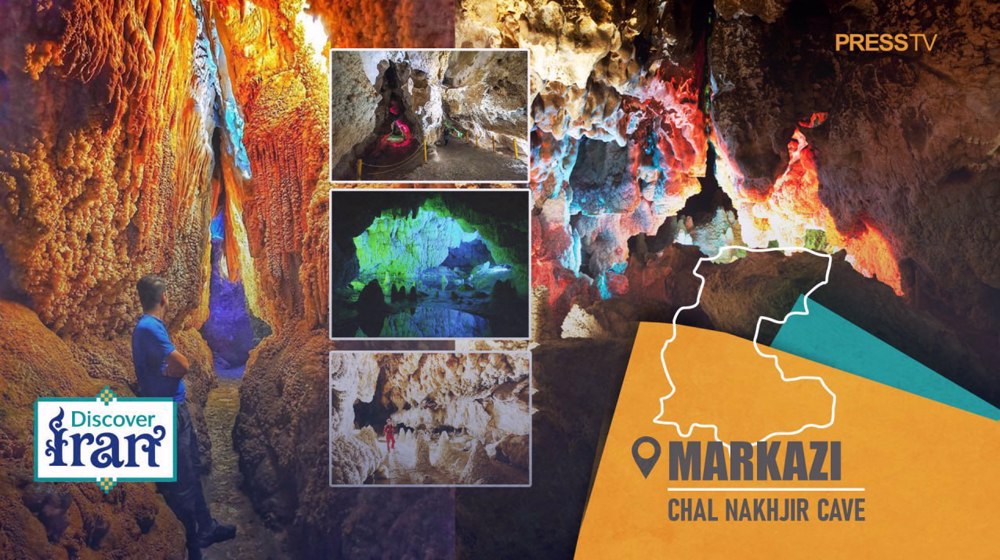
The province offers the spectacular Nakhijr cave near Delijan, the mineral springs and flower gardens of Mahallat, the historic Arak bazaar, and the Grand Mosque of Saveh. Traditional settlements, archaeological sites, and natural landscapes add further variety.
Mr Hossein Mahmoudi explained that the province is home to the world's largest and most recent traditional bazaar; it is one of the country's earliest examples of engineered market design and may even be unique in the world.
Arak is also home to the country's largest historic bathhouse complex, consisting of four bathhouses.
Around 200 valuable historic buildings remain in the city's historic district, while the surrounding area has remarkable religious shrines and sacred sites.
The Chal Nakhjir Cave is one of the most distinctive natural attractions of the region. Located near Delijan, the cave is known for its limestone formations, underground chambers, and striking mineral features.
Its geological origins stretch back millions of years, making it of interest to both tourists and those fascinated by the natural history of the region.
According to Mr Molla Esmaeili, identifying investment opportunities across all 12 counties of the province and distributing them fairly has been prioritized. Studies have shown that 20% of the identified opportunities are in industry, 33% in tourism, 24% in services, 10% in agriculture, and 8% in construction and development.
Mahallat, on the other hand, offers a different experience, combining mineral springs, gardens, and its extensive flower-growing industry.
Its horticultural identity could be the foundation for flower festivals, greenhouse visits, specialized tours, and other experiences connecting agriculture with tourism.
History is another major asset.
The traditional bazaar of Arak reflects the commercial life of the city, while the Grand Mosque in Saveh represents an important part of Iran's architectural heritage.
The historic house in Khomein connects visitors with the life of Ayatollah Khomeini.
In and around Tafresh, Ashtian, and Vafs, visitors can explore traditional settlements and discover local architecture and customs.
The Miqan Wetland near Arak offers another attraction, particularly for those interested in nature and bird life.
Responsible tourism could create opportunities for guided visits and environmental education while helping protect the wetland's ecological value.

There is evidence of existing demand for tourism to the region.
During the Nowruz travel period in 2026, provincial tourism officials reported that over 200,000 visits to historical, cultural, and natural attractions had been recorded between March 16 and March 28.
This figure demonstrates that the province already attracts substantial seasonal interest.
Ali Mashhadi, a Khomein Heritage Expert, elucidated that, being in a strategic location at the heart of Iran, around 40 million people can reach the province by car within two hours.
The Markazi province is blessed with excellent water resources and the infrastructure needed to attract investment.
Favourable conditions are in place for investors at the Cultural Heritage Department; preliminary approval for an investment project can be granted in less than a week.
The province combines a substantial industrial base with mineral resources, agricultural specialization, expanding solar power, and a rich cultural and natural heritage.
Its more than 2,800 industrial enterprises and huge annual non-oil exports demonstrate its economic importance, while places such as the Nakhjir Cave, Mahallat, Saveh, and Khomein offer opportunities to develop tourism and related services.
Around 2,100 historical and cultural sites have been identified across its 12 counties. Some 1,050 of these are registered on Iran's National Heritage List, while two have been inscribed on the UNESCO World Heritage List: the historic Qanat in the village of Ebrahimabad and the Karvansarai in the city of Saveh.
For investors, the province presents possibilities in manufacturing, mineral processing, agriculture, renewable energy, and tourism infrastructure.
For visitors, it offers a chance to discover a side of Iran that extends beyond the country's best-known destinations.
Markazi is not simply a region to cross on the way to somewhere else; it is an industrial center with a distinctive history and a province whose economic and tourism potential deserves closer attention.
 This makes it easy to access the Press TV website